Smart Tips for Better Money Management
Discover essential strategies to take control of your finances, build wealth, and achieve your financial goals with confidence.

In an era of rising costs and economic uncertainty, effective money management isn't just a skill—it's a necessity. Whether you're just starting your financial journey or looking to optimize your existing strategies, mastering these core principles will transform how you handle money.
After helping thousands of users improve their financial health through Cashflow, we've identified the key habits that separate those who thrive financially from those who struggle. These aren't get-rich-quick schemes; they're proven strategies that create lasting financial stability.
1. Start with a Clear Financial Picture
Before you can improve your finances, you need to understand where you stand today. This means confronting the full reality of your income, expenses, debts, and assets. Many people avoid this step because they're afraid of what they'll find, but knowledge is power.

Use tools like Cashflow to automatically track all your transactions, categorize spending, and visualize where your money actually goes. You'll often be surprised by how much you're spending in certain categories—and that awareness is the first step to change.
2. Build Your Emergency Fund First
Before investing, before paying off low-interest debt, before anything else—build an emergency fund. This financial cushion protects you from life's unexpected expenses and prevents you from derailing your long-term financial plans. Here's why it matters:
- Prevents debt accumulation when unexpected expenses arise
- Reduces financial stress and anxiety
- Gives you freedom to take calculated career risks
- Protects your investments from forced early withdrawal
Aim for 3-6 months of essential expenses in a high-yield savings account. If that feels overwhelming, start with $1,000 and build from there. The key is to start, even if it's just $50 per paycheck.
"Do not save what is left after spending; instead spend what is left after saving." — Warren Buffett
3. Master the 50/30/20 Budget Rule
One of the simplest yet most effective budgeting frameworks is the 50/30/20 rule. It provides structure without being overly restrictive, making it sustainable for the long term. Here's how it works:
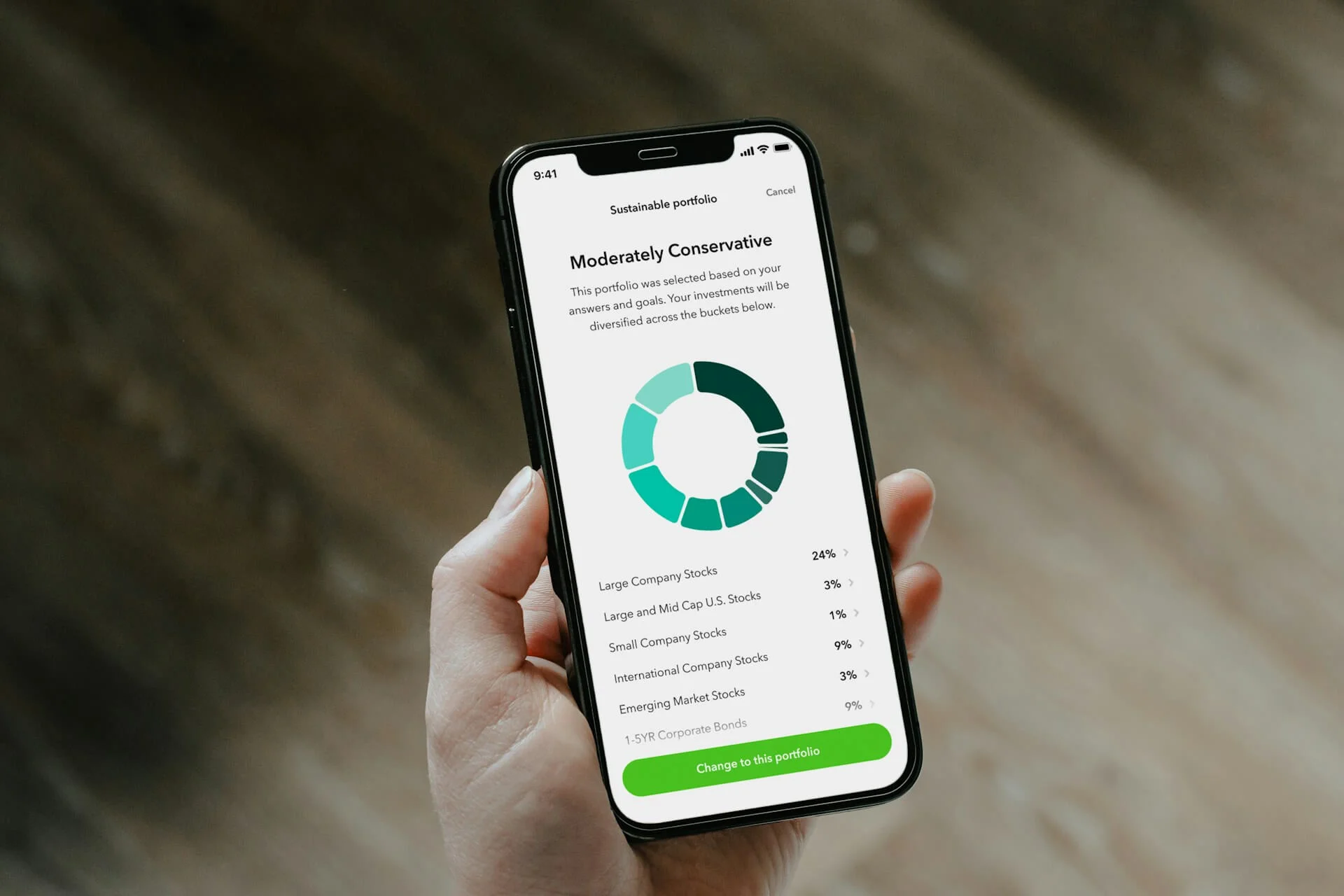
50% for Needs: Essential expenses like housing, utilities, groceries, insurance, and minimum debt payments. These are the non-negotiables that keep your life running.
30% for Wants: Discretionary spending that makes life enjoyable—dining out, entertainment, hobbies, travel. This category keeps your budget realistic and sustainable.
20% for Savings & Debt: Building your future through emergency funds, retirement contributions, investments, and extra debt payments beyond minimums.
4. Automate Your Financial Success
The best financial system is one that works without constant willpower. Set up automatic transfers to move money where it needs to go before you have a chance to spend it. This removes the friction and decision fatigue that derails most financial plans.
Configure your accounts so that on payday, money automatically flows to your emergency fund, retirement accounts, and investment accounts. Pay your bills automatically. What's left in your checking account is yours to spend guilt-free.
5. Understand the True Cost of Debt
Not all debt is created equal. A mortgage at 3% interest that's building home equity is fundamentally different from credit card debt at 22% APR. Understanding this distinction is crucial for making smart financial decisions.
- Always pay off high-interest debt (>7%) before investing
- Make more than minimum payments whenever possible
- Consider debt consolidation for multiple high-interest debts
- Use the avalanche method (highest interest first) or snowball method (smallest balance first)
- Avoid new debt while paying off existing balances
A $5,000 credit card balance at 22% APR, paying only the minimum, will take over 20 years to pay off and cost you over $11,000 in interest. That same $5,000 invested with a 10% annual return becomes over $33,000 in 20 years. The math is clear.
6. Invest in Your Financial Education
The best investment you can make is in yourself. Understanding concepts like compound interest, tax-advantaged accounts, asset allocation, and dollar-cost averaging will pay dividends for the rest of your life.
You don't need to become a financial expert, but understanding the basics empowers you to make informed decisions and avoid costly mistakes. Read books, listen to podcasts, follow reputable financial blogs, and don't be afraid to ask questions.
"An investment in knowledge pays the best interest." — Benjamin Franklin
7. Plan for Big Purchases in Advance
Large expenses—whether it's a car, home renovation, wedding, or vacation—don't have to derail your finances. The key is planning ahead and saving specifically for these goals.
Create separate savings goals in Cashflow for each major purchase. If you want to buy a $30,000 car in three years, that's $833 per month. Seeing this breakdown makes big goals feel achievable and keeps you from making impulsive decisions that lead to regret.
Your Financial Future Starts Today
The journey to financial wellness isn't about perfection—it's about progress. Every small decision compounds over time. Skipping that $6 coffee daily and investing it instead becomes $100,000 over 30 years with an 8% return. That's the power of consistency.
Start where you are. Use the tools available to you. Track your spending, build your emergency fund, eliminate high-interest debt, and invest in your future. The best time to start was yesterday. The second best time is now.
Remember, financial success isn't about how much you earn—it's about how much you keep, how wisely you invest it, and how well it works for you over time. With the right habits and tools like Cashflow, anyone can achieve financial freedom.